


Self Storage for Landlords and Property Managers in Essex: Storing Furniture Between Tenancies
Self storage for landlords means renting a secure unit to hold furniture, white goods and fixtures during a void period, a refurbishment or a tenant changeover, so the property can be cleared, repaired and re let without items damaged or blocking access. For landlords and letting agents across Aveley, South Ockendon and Thurrock, a container unit sized to the property gives a flexible home for anything from a tenant’s abandoned boxes to a full HMO’s worth of furniture.
Key points
- The average UK rental void runs to around 24 days, costing landlords in the region of £1,135 in lost rent on typical market estimates.
- Landlords have a legal duty under the Torts (Interference with Goods) Act 1977 to keep a tenant’s abandoned belongings safe before disposing of them.
- Aveley Self Storage offers four container sizes, 5ft, 10ft, 20ft and 40ft, mapping reasonably closely onto a studio flat, a one bed flat, a two bed home and a three bed house.
- Deposits must be protected within 30 days and, once agreed, returned within 10 days, two legal clocks running alongside clearing a property.
- Container self storage typically runs on flexible, short term terms rather than a fixed lease, which suits an unpredictable void.
What Is Self Storage for Landlords, and Why Use It Between Tenancies?
Self storage for landlords is a rented, lockable unit used to hold property related items that cannot stay in the home between one tenancy and the next: furniture a tenant leaves behind, spare beds and wardrobes for an HMO, or furnishings taken out so a property can be redecorated and shown to new applicants.
Landlords have used garages, sheds and spare rooms for years, but a dedicated unit does the job better because it is built for storing goods, not parking a car. Furniture kept in a leaking garage usually turns into a dumping ground that eats into a landlord’s own time.
The real reason to use storage between tenancies is control. A cleared property photographs better, viewings run more smoothly, contractors work without moving furniture aside, and the landlord is not exposed to a dispute over items they should have kept safe.
Why Essex Landlords Need Storage Between Tenancies: The Void Period Problem
Every day a rental property in Aveley, South Ockendon, Grays or elsewhere in Thurrock sits empty is a day of rent not coming in. Industry estimates put the average void across England at around 24 days, costing landlords in the region of £1,135 once lost rent and turnaround work are counted. London tends to see a shorter void but a higher cost overall, since rents there run higher.
That £1,135 works out at roughly £47 for every day a property stands empty. Furniture still sitting there is one of the most common things that slows a turnaround. Flooring cannot be relaid around a wardrobe, and a landlord cannot photograph a clear room with a former tenant’s sofa in it.
Moving those items into storage removes one of the delays inside the void. At a few pounds a day for a small unit, saving even a single day can cover a meaningful chunk of the storage cost.
How Container Self Storage Works for Landlords and Letting Agents
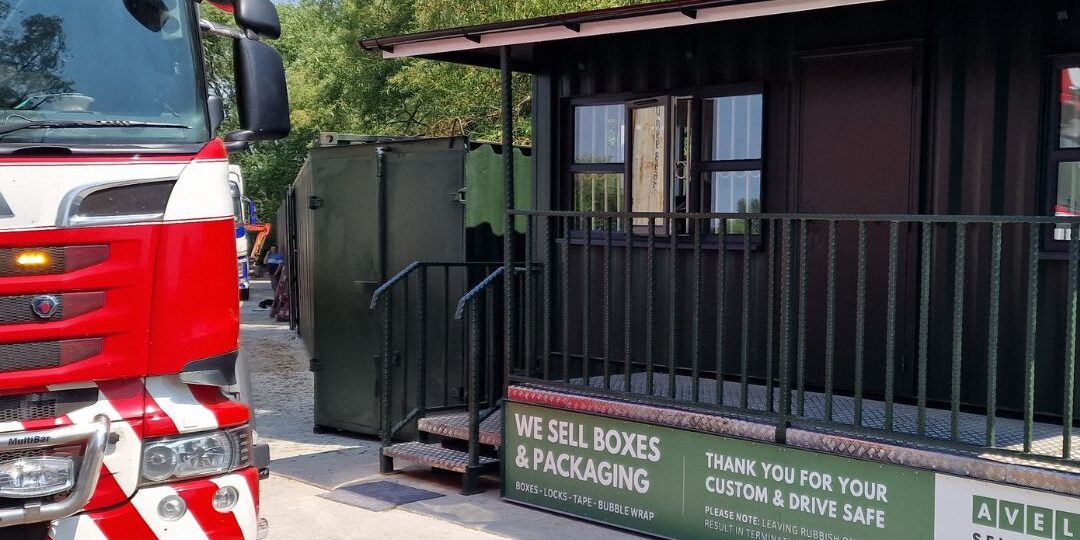
Container self storage, which is what Aveley Self Storage provides, differs from the corridor and lift style facilities many people picture. Instead of an indoor unit reached via a lift, you get a standalone steel container on site at Bretts Farm, Romford Road, South Ockendon, that you can drive or walk straight up to.
For a landlord this is practical: moving a wardrobe, a mattress or flat pack boxes into a ground level container needs less handling than getting items up a lift and along a corridor. Each property’s items sit inside their own sealed unit rather than an open warehouse space, so everything stays identifiable when it comes back out.
Access is controlled and the site is monitored, so belongings stay secure without daily checking. The business has 5 star reviews on Google, worth knowing when reliability is the deciding factor. There is no long minimum contract, which fits how unpredictable a void is, since nobody knows on day one whether a re let takes two weeks or two months.
Aveley Self Storage Unit Sizes for Landlords: 5ft, 10ft, 20ft and 40ft Explained
Aveley Self Storage offers four container sizes: 5ft, 10ft, 20ft and 40ft, each a self contained unit rather than shared warehouse space, which matters when one landlord’s furniture needs to stay separate from another’s.
| Unit size | Roughly equivalent to | Typical landlord use |
|---|---|---|
| 5ft | A small box room | Boxes, a tenant’s abandoned belongings, spare HMO items |
| 10ft | Three quarters of a single garage | A studio or one bed flat, or overflow from a part furnished let |
| 20ft | Three quarters of a double garage | A two bed home, or several HMO bedrooms’ worth of beds and wardrobes |
| 40ft | The size of three single garages | A three bed house clearance, a renovation strip out, or an agent consolidating stock |
Access works on controlled, secure site terms. What matters most for planning is fit: too small means a second booking, too large means paying for space that sits empty.
What Size Storage Unit Does a Landlord Need? Studio, One Bed, Two Bed and Three Bed Furniture Volumes
Matching a container to a property is easier with real numbers. A standard 3.5 tonne Luton van, the vehicle most house clearances use, holds around 600 cubic feet once loaded properly. A studio flat typically needs a smaller transit van, a one or two bed flat fills one Luton, and a three bed house with a garden needs two to three Lutons, roughly 1,200 to 1,800 cubic feet.
Working from Aveley Self Storage’s published dimensions, a 10ft unit covers about 75 square feet with close to 8ft of headroom, roughly 550 to 600 cubic feet gross, close to one Luton load once stacked properly rather than left in loose piles. A 20ft unit, around 150 square feet, comes to roughly 1,150 to 1,200 cubic feet gross, a reasonable fit for a two bed property. A 40ft unit, around 300 square feet, works out at roughly 2,400 to 2,500 cubic feet gross, covering a three bed house’s Luton loads with room for white goods. A 5ft unit is roughly half that, sensible for boxes or a spare HMO bed rather than a full flat.
| Property type | Suggested unit | Approximate volume needed | Based on |
|---|---|---|---|
| Studio flat, boxes and small items | 5ft | 150 to 300 cubic feet | Half a Luton van load |
| Studio or one bed flat, fully furnished | 10ft | 350 to 600 cubic feet | One Luton van load |
| Two bed flat or house | 20ft | 700 to 1,200 cubic feet | One and a half to two Luton loads |
| Three bed house | 40ft | 1,200 to 1,800 cubic feet | Two to three Luton loads |
These are derived estimates, not a guarantee, since two three bed houses can hold different amounts of furniture. The size guide has more detail, or a quick call talks through what is going in.
How Much Does Storage Between Tenancies Cost? The Real Arithmetic for Landlords
Cost only makes sense set against what it replaces. Alone, a weekly storage bill looks like an extra outgoing. Set against an average £1,135 void cost, it looks different.
Take a landlord in South Ockendon whose tenant leaves a sofa, a bed and several boxes behind. Leaving them in place blocks flooring work and viewings for five extra days. At roughly £47 a day of void cost, that delay alone is worth around £235. Moving the items into a 10ft unit for a week or two, at a cost well below that figure, more than pays for itself if flooring can start immediately and viewings go ahead on schedule.
The same logic scales up. A letting agent managing a dozen properties across Grays, Purfleet and Chafford Hundred juggles several staggered voids rather than one. Self storage pricing generally follows unit size, with larger units typically carrying a lower cost per square foot than smaller ones, a pattern common across the storage market nationally. Exact pricing for Aveley Self Storage’s units varies with size and length of stay, and the most accurate figure is a live quote. The principle holds regardless: a slightly bigger unit is often close in price to a cramped one, once the risk of a second booking is weighed in.
The cost worth naming honestly is the cost of not storing at all: wasted floor space, insurance grey areas, and time spent working around furniture instead of re letting.
Self Storage for Landlords: The Suitability Matrix by Property Type
Not every situation calls for the same unit or for storage at all. This matrix maps common scenarios to a recommended size and where it stops making sense.
| Situation | Recommended unit | Why | Where it is the wrong fit |
|---|---|---|---|
| Single landlord, studio or one bed void, light furniture | 5ft or 10ft | Compact flat, short flexible term | A fully furnished three bed house |
| Letting agent managing several one and two bed lets | Multiple 10ft or 20ft units, one per property | Keeps each landlord’s furniture separate | Only one property currently between tenancies |
| HMO landlord, five to eight bedrooms | 20ft | Holds spare beds and wardrobes for several rooms | Only one or two rooms turn over at a time |
| Full renovation between tenancies | 20ft to 40ft | Clears the property for trades, keeps furniture from dust | A light cosmetic refresh under dust sheets |
| Portfolio property cleared for sale or refit | 40ft | Largest capacity for a full house and white goods | Storing a single item, such as one fridge freezer |
| Tenant’s abandoned belongings, boxes only | 5ft | Cheap, fast, keeps the landlord compliant with the legal duty | Volume includes large furniture such as a sofa |
Self Storage for a Single Buy to Let Landlord in Aveley or South Ockendon
Consider a landlord with one two bed house in Aveley. Their tenant of three years hands in notice and, at checkout, leaves a wardrobe and a chest of drawers, plus boxes in the loft. The landlord wants to relay the kitchen flooring and repaint before the next tenant moves in, roughly a two week job.
Leaving the items in place is not really an option, since the flooring contractor needs clear access and the landlord has a legal duty to keep the tenant’s belongings safe rather than put them outside. A 10ft unit, booked for two to three weeks, holds the furniture and boxes comfortably, keeps them dry, and gives the landlord somewhere for their own furniture if they furnish the property for the next let. Because the booking is short and flexible, there is no risk of paying for storage that is not needed.
This is the most common landlord scenario container storage sees: one property, one void, a fairly short job, and a unit that does not tie the landlord to a commitment of unknown length.
Storage for Letting Agents and Property Managers Handling Multiple Lets
A letting agent managing 15 properties across Thurrock, from Purfleet through to Upminster, faces the same problem repeated on a rolling basis. At any time, two or three properties are likely to be between tenancies, each with a different amount of furniture, a different landlord and a different timeline.
The practical answer is usually more than one unit rather than one large shared one. Keeping each landlord’s furniture in its own container avoids the confusion of mixed stock, particularly when a landlord asks what happened to a specific item weeks later. A 10ft or 20ft unit per active void, booked and released as each property turns over, keeps costs tied to actual need rather than paying for space that sits half empty.
There is also a case for agents keeping one standing unit for spare white goods and staging furniture, shared infrastructure across the portfolio rather than a booking tied to a single tenancy.
Self Storage for HMO Landlords: Furniture Between Rotating Tenants
HMO landlords have a different rhythm. In a six or eight bedroom house of multiple occupation in Thurrock, rooms do not all turn over at once. A tenant in room three might give a month’s notice while everyone else stays put, and the landlord needs a spare bed frame, mattress and wardrobe ready for whoever moves in next, without disturbing the rest of the house.
This is where a mid sized unit earns its keep as ongoing infrastructure rather than a one off job. A 20ft container gives an HMO landlord somewhere to keep the beds, wardrobes and desks swapped in and out of rooms as tenants change, without cluttering a communal area or a garage needed for other things. Because HMO turnover is frequent and unpredictable, flexible weekly terms matter more here than almost anywhere else, since the landlord is storing an ongoing resource, not doing one job.
Using Self Storage During a Renovation Between Tenancies
A three bed house in Purfleet due a full refit, kitchen, flooring and a repaint throughout, is a different job again. The goal is not just holding leftover items but clearing the whole property so contractors can work without furniture in the way or damaged by dust, paint or debris.
A 20ft to 40ft unit, depending on how much furniture the house holds, is usually the right size, booked for the length of the works, often four to six weeks for a full internal refit. Moving furniture room to room as trades work through the house slows the job and increases the chance of damage. Getting it off site entirely, into a container that stays locked until the work is finished, is faster and safer for the furniture. The renovation storage page covers this in more detail.
What Happens to Furniture a Tenant Leaves Behind? Landlord Storage and Legal Duties
This is one of the most common questions Essex landlords and letting agents have, and getting it wrong is expensive. It sits alongside a landlord’s wider legal duties, covered in gov.uk’s guidance for landlords, which runs from keeping a property safe through to protecting a tenant’s deposit correctly. Under the Torts (Interference with Goods) Act 1977, belongings a tenant leaves behind still legally belong to that tenant, even after they move out. The landlord must keep those items reasonably safe and cannot simply dispose of them without a proper process, since the Act sets out how someone holding onto another person’s goods, including a landlord left with a former tenant’s furniture, must handle uncollected property before it can lawfully be sold or disposed of.
That process generally means confirming the tenant has genuinely vacated, making reasonable attempts to contact them, and storing the items safely before considering disposal. Putting a former tenant’s sofa straight on the kerb exposes a landlord to a claim for the current value of those goods.
A storage unit meets that duty without items sitting in the middle of an empty property, blocking viewings and repairs for weeks, and gives a documented point at which items were moved and secured. This runs alongside the deposit clock: deposits must be registered with an approved scheme within 30 days of receipt, and once landlord and tenant agree the amount, it must be returned within 10 days, per gov.uk guidance. A landlord juggling a void, leftover belongings and a deposit deadline benefits from taking the physical clutter off the table early.
Self Storage vs Leaving Furniture in an Empty Rental Property
Leaving furniture in place looks free at first glance, since there is no storage bill. In practice it usually costs more than it saves. An empty property with furniture still in it photographs worse, which slows viewings and can extend the void beyond the 24 day average. Flooring, painting and repairs have to be done around the furniture rather than through it, and if it belongs to a former tenant, leaving it there without a plan risks breaching the legal duty to store it properly.
There is a genuine case for leaving furniture in place when the void is expected to be very short and the items are the landlord’s own, staying for the next tenant anyway. Storage earns its cost when the void or works run longer, when the items belong to someone else, or when the property needs to look genuinely ready to let.
Self Storage vs a Garage or Warehouse Unit for Landlord Storage
Garages and spare rooms are the default many landlords reach for first, mostly because they already have one. The drawback is that a domestic garage is rarely weatherproof to the standard a storage unit is, is often already full of the landlord’s own belongings, and offers none of the monitoring a purpose built facility provides.
At the other end of the scale, a full commercial warehouse unit makes sense for a portfolio landlord or agency storing stock across dozens of properties long term. Aveley Self Storage’s warehouse storage page covers this larger option. For most single landlords and small agencies, though, a warehouse unit is more space and commitment than a void needs. Container self storage sits in the middle: more secure than a garage, better sized than a warehouse lease, for one or two properties’ worth of furniture measured in weeks or months.
Who Self Storage Between Tenancies Isn’t For
Storage between tenancies is not right for every situation. It is the wrong choice for a landlord whose tenant is staying in place and wants somewhere for their own seasonal items, since that is the tenant’s personal storage need, not the landlord’s void problem, and the tenant should arrange and pay for it themselves.
It is also the wrong fit for a landlord managing a very large portfolio with permanent stock levels, where a commercial warehouse suits high volume movement better than a container booked property by property.
And it is not the answer for furniture that needs disposing of rather than keeping. If a former tenant’s belongings are low value, damaged beyond use, and the landlord has made reasonable efforts to make contact, proper disposal, not indefinite storage, is the right next step. Paying to store items always destined for the tip avoids a decision rather than solving one.
Mistakes Landlords Make When Storing Furniture Between Tenancies
Booking a unit sized for the moving van, not how furniture stacks in storage. A Luton van is loaded for a short journey. A unit needs items stacked to use the full height, so landlords who book on van capacity alone sometimes need more floor space once reorganised for a static stay.
Leaving abandoned belongings in the empty property “for now.” This feels easiest, but it blocks viewings and repairs, and disposing of items later without the proper Torts Act process creates real legal exposure.
Not documenting what goes into storage. No photos, no inventory, no note of condition. If a dispute comes up over a missing item, there is nothing to point to. A few phone photos as items go in cost nothing and settle most disagreements.
Committing to the wrong length of term. A long minimum period for a short void wastes money. Booking week to week for an HMO’s ongoing rotation, when a standing arrangement suits better, creates unnecessary admin.
Assuming landlord insurance still covers items once they leave the property. Many policies are written around the property and its fixtures, not furniture once moved offsite. Checking cover for stored items avoids a surprise.
Mixing multiple properties’ furniture in one unit with no labelling. For an agent storing more than one property at once, mixing it all in without marking what belongs where turns a quick job into a slow one.
Self Storage for Landlords: Myths Worth Correcting
Myth: self storage is only for people moving house. Landlords, letting agents and trades businesses make up a significant share of who books storage units. Container storage suits business use, built for straightforward loading rather than domestic browsing.
Myth: storing a tenant’s abandoned belongings is optional. It is a legal duty under the Torts Act, not a courtesy. Disposing of items straight away is what creates a claim, not what avoids one.
Myth: a storage unit needs a long minimum contract, like a commercial lease. Self storage, including container self storage, generally runs on flexible, rolling terms, exactly what suits an unpredictable void, a renovation, or an HMO’s rolling furniture needs.
Myth: a bigger unit always costs proportionally more, so book as small as possible. Larger units typically cost less per square foot than small ones. A unit a size up from the bare minimum sometimes costs little more than a cramped one, once the risk of a second booking is taken into account.
Is Self Storage Worth It for Landlords and Property Managers? Our Verdict
For a single landlord managing a void of more than a week or two, storing furniture rather than leaving it in the property is worth it more often than not, once the cost of a slower turnaround is weighed against a small weekly bill. For letting agents running several properties, storage earns its place as standing infrastructure, particularly for staging furniture, HMO furniture kits, and keeping each landlord’s stock separated.
Where it is not automatically worth it is for very short voids, for a tenant’s own seasonal storage, or for portfolio stock needing a warehouse arrangement. The judgement call usually comes down to weighing the storage cost against the days it saves, and against the legal exposure of not storing a former tenant’s belongings properly.
Self Storage for Landlords FAQ
Q1 How much does self storage cost for landlords in Essex?
Cost depends on unit size and length of stay. Units in the 5ft to 10ft range typically cost less per week than 20ft or 40ft units, though larger units work out cheaper per square foot. Get a quote for an exact price.
Q2 Can I put a tenant’s belongings into storage if they leave the property?
Yes, and in most cases you should. You have a legal duty under the Torts (Interference with Goods) Act 1977 to keep abandoned belongings safe rather than dispose of them straight away.
Q3 What Size Storage Unit Does a Landlord Need for a Two Bed House?
A 20ft unit usually fits a two bed property’s furniture, based on typical removal volumes of 700 to 1,200 cubic feet. A lightly furnished flat might manage with a 10ft unit.
Q4 Is there a minimum contract length for storage between tenancies?
Container self storage generally runs on flexible, rolling terms rather than a fixed lease, suiting a void whose length is rarely known in advance. Confirm current terms through get a quote or contact us.
Q5 Can a letting agent open one storage account for several landlords’ properties?
Yes. Many agents book a separate unit per active void, or keep one standing unit for shared resources like viewing furniture and spare white goods.
Q6 How quickly can I get a storage unit when a tenancy ends unexpectedly?
Because there is no long lock in contract, a unit can generally be booked and used at short notice, useful when a checkout uncovers items that need moving fast.
Q7 Is self storage safer than leaving furniture in an empty rental property?
Generally yes. An empty property with furniture inside is harder to secure and slower to prepare for viewings than a unit on a monitored site.
Q8 Does Aveley Self Storage offer storage specifically for landlords and letting agents?
Yes. Aveley Self Storage is used by personal and business customers, including landlords and letting agents across Aveley, South Ockendon and Thurrock, for furniture storage between tenancies. See business storage and furniture storage for more.
3 Things Only Aveley Self Storage Can Answer
- Of the landlords and letting agents who store with us, what proportion are storing a former tenant’s abandoned items versus their own furniture between lets?
- What is the most common size unit a local landlord or letting agent actually books for a two or three bed property, once they see it in person?
- What is the question landlords and letting agents ask most often when they call about storage between tenancies