Self Storage for Photographers and Videographers in Essex: Where to Keep Lighting, Backdrops and Gear Between Shoots
Freelance photography and videography work rarely stays in one place. One week you are shooting a wedding near Upminster, the next you are setting up product lighting in a client’s unit near Grays, and in between jobs all of that kit, the backdrop stand, the softboxes, the camera cases, needs somewhere dry and secure to live. For a good number of Essex based photographers and videographers, that somewhere ends up being a spare bedroom, a garage that was never meant to hold studio kit, or the back of a van parked on the drive overnight. Self storage for photographers and videographers in Essex is built for exactly this gap between bookings, and at Aveley Self Storage we see this pattern often from freelancers working across Thurrock, South Ockendon, Grays and the surrounding towns.
Self Storage for Photographers and Videographers in Essex: The Short Version
If you only read one section, read this one. Self storage gives a freelance photographer or videographer a dry, secure base for equipment that is too bulky or too valuable to leave lying around a home or a van. Here is how sizing and cost tend to work out in practice.
- A 5ft unit comfortably holds a single lighting kit, a couple of stands and small props.
- A 10ft unit suits a full lighting and backdrop set up plus several camera cases.
- A 20ft or 40ft unit gives a videographer room for sliders, jibs, multiple backdrops and bulky set pieces.
- Storage used only for your equipment can usually be claimed as a business cost under HMRC’s self employed expenses rules.
What Essex Photographers and Videographers Need Self Storage For Between Shoots
Ask ten freelance photographers or videographers what fills their storage unit and you will get ten slightly different answers, but the categories repeat. Lighting equipment, backdrops and props, and the cameras and accessories themselves, are the things that take up the most room once a shoot wraps and everything has to go somewhere until the next booking. Each of these categories has its own storage quirks, which is why a unit sized and organised properly tends to work far better than whatever corner of the house happened to be free.
Lighting Rigs and Stands in Photography Self Storage
Lighting is usually the first thing to outgrow a spare room. A couple of softbox kits, light stands, boom arms, reflectors, barn doors and gel sheets do not look like much on their own, but stacked together with stands collapsed and heads boxed, they fill a corner fast. Self storage keeps these items upright, dry and easy to find rather than wedged behind a sofa or stacked in a shed where damp and dust get to them before the next booking does.
Backdrops, Set Pieces and Props in Photography Self Storage
Paper rolls, fabric backdrops, stands and the odd piece of furniture used as a prop take up far more floor space than most people expect, especially once a videographer starts building out small sets. Continuous roll paper in several colours, folding backdrop stands, and furniture props all need to sit flat and dry between shoots, since creased paper and damp furniture both show up badly on camera. A self storage unit gives these pieces that flat, dry base rather than a loft where paper creases or a garage where furniture picks up damp over winter.
Camera, Lens and Photography Accessories in Self Storage When Not in Use
Camera bodies, lenses, memory cards, batteries, chargers and the various cages and rigs that go with video work are the most valuable items in most kit lists, and they are also the easiest to store well in a small unit. A 5ft or 10ft self storage unit gives a freelancer somewhere secure to keep this gear locked away between bookings, provided appropriate photography equipment insurance is in place to cover it regardless of where it is kept.
Self Storage Unit Sizes for Photography and Videography Equipment
Getting the size right matters more for photography and video kit than for most household storage, because the shapes involved, long stands, flat backdrops, bulky soft cases, do not stack the way boxes do. Our size guide covers every unit we offer in more detail, but here is how the four sizes tend to map onto real photography and video kit lists.
The table below is a general guide based on typical kit lists rather than a measurement of any specific booking, so use it alongside the size guide when deciding.
| Unit Size | Typical Equipment It Holds | Best Suited To |
|---|---|---|
| 5ft | One or two lighting kits, stands, modifiers, a couple of camera cases and small props | A photographer working solo with a single lighting set up |
| 10ft | A full lighting and backdrop set up, multiple camera cases, tripods and smaller set pieces | A freelancer running regular shoots with a complete kit list |
| 20ft | Set pieces, several backdrop stands and rolls, flooring, plus overflow props | A small studio operation or a videographer with a growing equipment list |
| 40ft | Larger production kit such as sliders, jibs, multiple backdrop systems and bulky set dressing | A videographer or production freelancer with substantial kit, or several photographers sharing storage |
5ft Self Storage for a Single Photographer’s Lighting Kit
A 5ft unit suits a photographer working with one lighting set up, perhaps two stands, a softbox or two, a reflector and a couple of camera cases. It is also a sensible size for storing contracts, model release paperwork and other business records that need to be kept but do not need to sit in a home office taking up desk space.
10ft Self Storage for a Full Photography Studio Setup
Once a kit list grows to a full lighting and backdrop set up, several camera cases, tripods and a scattering of smaller props, a 10ft unit tends to be the better fit. This is the size we see most often chosen by freelance photographers who shoot regularly and need everything ready to load into the van rather than dug out from different corners of a house. It also leaves a little room to grow into as a kit list expands over a year or two without needing to move up a size straight away.
20ft and 40ft Self Storage for Larger Video Production Kit
Videographers tend to need more room than photographers, simply because sliders, jibs, multiple backdrop systems and flooring rolls do not fold down as small as a softbox. A 20ft unit covers most small production set ups, while a 40ft unit gives a videographer with a full kit list, or several photographers sharing storage between projects, room to keep everything together rather than splitting kit across two separate units and losing track of what is where.
Self Storage or a Permanent Photography Studio in Essex: Weighing Up the Cost
Renting a permanent photography studio in Essex sounds like the obvious step once bookings pick up, but it is worth doing the sums properly before signing a year long lease. Studio hire rates across Essex and London commonly run into three figures for a single day, which is manageable for an occasional need but adds up fast for a freelancer who only needs daylight studio space for a handful of bookings each month. A permanent studio lease, by contrast, is a fixed cost every single month whether it gets used five times or twenty five.
For most freelance photographers and videographers, the more affordable pattern is to hire a studio space only on the days a shoot genuinely needs one, such as a daylight portrait session or a set build that will not fit in a home, and to use self storage to hold the rest of the kit in between. A storage unit costs a fraction of a studio lease, keeps lighting, backdrops and camera gear dry and secure, and sits ready for the next booking without the overhead of renting a working studio space all year round.
This approach also flexes with how busy a particular season gets. A wedding photographer booked solidly through a summer season might want a slightly larger unit for a few months so prop boxes and extra backdrops are not competing for van space on back to back Saturdays, then size back down once the quieter winter months arrive. That kind of adjustment is far easier with a storage unit than with a studio lease signed for a full year regardless of how busy any particular month turns out to be.
This pattern suits the way most Essex freelancers actually work. A wedding photographer shoots on location far more often than in a studio. A product videographer might need a studio set for one client and a location shoot for the next. Paying for studio time only when it is used, while paying a smaller fixed cost to store equipment the rest of the time, tends to work out considerably cheaper over a full year than carrying a permanent lease alongside a mortgage, rent or a growing family’s space at home. If you are weighing this up for your own business, our business storage page sets out how freelancers and small studios use a unit as part of that decision, and our team can talk through sizing on a quote request.
Storing Photography and Video Equipment Between Bookings Without Cluttering a Home or Van
Between bookings, equipment has to live somewhere, and for a lot of freelancers that somewhere is wherever there is space left over. A spare bedroom becomes a kit room. A garage meant for a car ends up holding light stands, backdrop rolls and a growing pile of flight cases. A van parked outside overnight becomes the default storage plan simply because moving everything indoors after every job is exhausting.
None of these are good long term solutions. A spare room filled with kit is a spare room you cannot use for anything else, and most home insurance policies were never designed with several thousand pounds of lighting and camera equipment in mind, which can leave a gap in cover that only shows up after something goes wrong. A garage protects from rain but not necessarily from damp, and a van left loaded overnight is a target that a determined thief does not need long to work through, especially parked on a street rather than behind a locked gate.
Self storage removes that pressure. A unit sized correctly for your kit list gives you one place to load from and unload into, rather than juggling a van, a garage and a spare room depending on what a particular booking needs. It also means your home stays a home rather than slowly turning into an extension of your studio, which matters more than it sounds once lighting cases start appearing in the hallway and a tripod becomes a permanent fixture by the front door.
For photographers and videographers who also run other equipment such as tools for building sets or rigs, our tool storage page covers how that kind of kit fits alongside camera gear in the same unit, and our office storage option suits freelancers who also want paperwork, a laptop station or client files kept somewhere other than the kitchen table.
Self Storage as a Genuine Business Cost for Freelance Photographers and Videographers
Most freelance photographers and videographers in Essex operate as sole traders, which means every cost that is wholly and exclusively for the business can usually be set against income when working out tax. Storage used only to hold shoot equipment, lighting, backdrops, cameras and the accessories that go with them, falls into the same category as other property and equipment costs a self employed photographer or videographer might claim.
HMRC’s own guidance on self employed expenses sets out the general rule for property and equipment costs used for a business, including storage, and is worth reading alongside your own records rather than relying on general advice like this article, since every freelancer’s circumstances differ slightly depending on how the business is set up and what else is claimed. If you are only just setting up as a sole trader and have not registered yet, gov.uk’s guidance on setting up as a sole trader covers what you need to do before your first tax return is due.
The practical point for most photographers and videographers is straightforward. If a storage unit is used only for business equipment and not as a general dumping ground for household items, it is a legitimate cost of running the business, the same as camera insurance, editing software subscriptions or a website. Keeping a simple record, what is stored, why it is there, and the cost of the unit, makes this straightforward to support if your accountant or HMRC ever asks.
None of this is bespoke tax advice, and every freelancer’s situation is different enough that checking your own position against HMRC’s guidance, or with an accountant familiar with creative freelancers, is worth the half hour it takes. What matters for this article is simply that storage used properly for business equipment is not a grey area, it sits alongside the other running costs a photographer or videographer already claims each year.
For freelancers working out whether storage makes sense against the rest of their running costs, our size guide and a quick quote request are a reasonable place to start before the figures go anywhere near a tax return.
Where Aveley Self Storage Keeps Photography and Video Equipment Secure
Aveley Self Storage is based at Bretts Farm on Romford Road in South Ockendon, within easy reach of Aveley itself, Thurrock, Grays, Purfleet, West Thurrock and the Lakeside area. For photographers and videographers who travel to bookings across South Essex and into east London, that location sits conveniently between a lot of regular shoot locations rather than being tucked away somewhere only useful if you live on the doorstep.
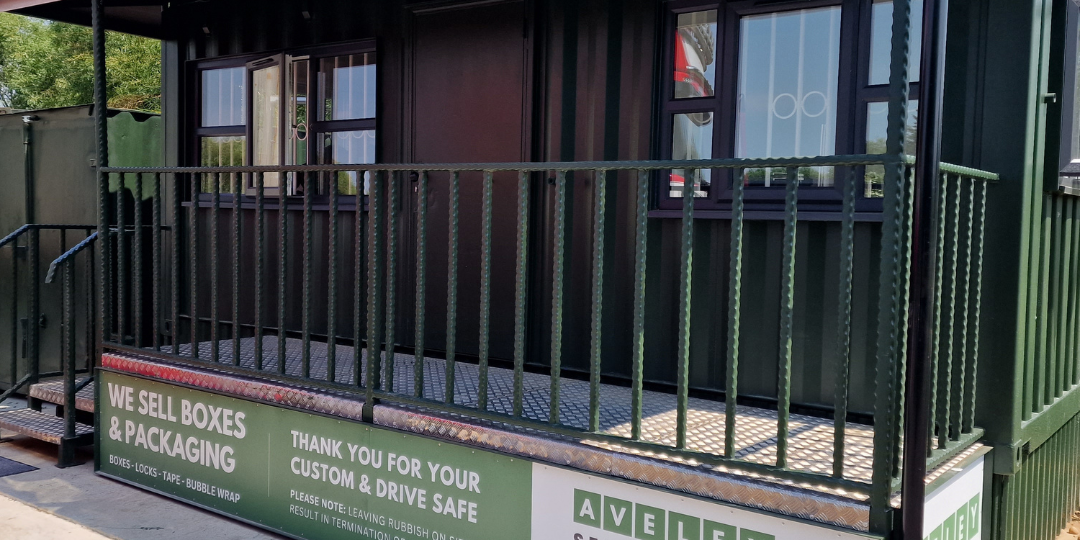
Our units are steel containers on a secure site, which suits photography and video equipment well. Lighting kit, cameras and backdrops need protection from damp and from opportunist theft more than they need anything elaborate, and a secure, gated site with units built from steel addresses both of those concerns without the cost of a bespoke studio lockup. We are rated five stars on Google by the people who already store with us, which tends to matter more to a freelancer trusting several thousand pounds of kit to a new site than any amount of marketing copy.
Because photography and videography work does not run to a nine to five pattern, flexibility matters as much as security. A wedding season Saturday, an early morning product shoot, or a late finish on a corporate video job all mean picking up or dropping off kit outside normal office hours, and a self storage site built around that kind of schedule saves the friction of trying to fit studio or warehouse hours around a booking diary that rarely cooperates.
If you want to see exactly how a unit would fit your own equipment list, get in touch through our contact page and we can talk through sizing before you commit to anything.
Accessing Your Self Storage Unit Around a Photography or Video Booking Schedule
A booking schedule built around clients rarely matches a nine to five week, and self storage needs to work around that rather than the other way round. Freelance photographers and videographers using a unit to hold kit between jobs tend to visit in short, practical bursts, loading the van before an early start, or dropping gear back late in the evening once a shoot has wrapped and everything has been packed down.
This is one of the clearest advantages self storage has over a shared studio space or a warehouse unit with its own set of rules and other tenants to work around. A self storage unit is yours for the length of your agreement, which means you decide when to visit rather than checking whether anyone else has the space booked. For a videographer juggling several clients in the same week, or a photographer covering back to back weekend weddings through the summer, that kind of control over access genuinely saves time that would otherwise go on coordinating with someone else’s diary.
Wedding season brings this into sharper focus than most other work. A photographer with three Saturday bookings running through late spring and summer needs to load a van, shoot, return kit, and do the same again the following week without any of it becoming a bottleneck. A unit that is easy to get in and out of, with everything organised rather than stacked at random, turns that routine into something quick rather than something dreaded every weekend.
It is also worth thinking about access when choosing a unit size in the first place. A unit packed too tightly means unloading half the kit to reach the piece you actually need, which gets old fast at six in the morning before an early shoot. Sizing a little on the generous side, using our size guide as a starting point, usually pays for itself in the time saved not wrestling with stacked cases every time you need to get a single light stand out.
Choosing Self Storage Near Aveley and South Ockendon for Photography and Video Work
Location matters more for working photographers and videographers than for most people using self storage, simply because kit has to move between the unit, a vehicle and a shoot location on a regular basis, not just once or twice a year. A unit that adds forty minutes to every job because it sits on the wrong side of the county quietly costs more in time than the storage itself costs in money.
Aveley Self Storage sits in South Ockendon, close to Aveley, and within a reasonable run of Grays, Purfleet, West Thurrock, Chafford Hundred, Lakeside, Rainham, Upminster and Orsett. For photographers and videographers working across that spread of South Essex, and for those who regularly head into east London for bookings, that puts a secure unit within easy reach of most jobs rather than at one end of a long drive.
It is also worth thinking about the surrounding area practically. A shoot that wraps near Lakeside, or a video job out towards Orsett, both leave a short, sensible run back to drop kit off rather than carrying a van full of lighting and camera cases home overnight because the unit is out of the way. Freelancers covering a wide patch across Essex tend to find a centrally placed unit saves more time over a year than it first seems to, simply because every single job benefits a little rather than one occasional trip.
Our coverage page sets out the full area we serve in more detail, which is worth checking against your own regular booking locations before deciding where to base your equipment.
Whether you are a solo photographer building a first proper kit list or a videographer running a small production outfit, the same basic rule applies: pick a storage location that fits around where the work actually happens, size the unit to the kit you have rather than the kit you might buy one day, and keep the paperwork and insurance side straightforward from the start. Get in touch or request a quote and we can talk through what size and access pattern would suit your own booking schedule.
Frequently Asked Questions About Self Storage for Photographers and Videographers in Essex
These are the questions we hear most often from freelance photographers and videographers across Essex looking at self storage for the first time.
Q: Why Do Freelance Photographers and Videographers in Essex Need Self Storage?
Lighting rigs, backdrops, props and set pieces take up far more space than a spare room or a hired studio usually allows, especially once that kit is not in active use between bookings. Self storage gives Essex based photographers and videographers a dry, secure place to keep this equipment without it spilling into a hallway, a garage or the back of a van parked outside overnight.
Q: What Size Self Storage Unit Suits a Freelance Photographer or Videographer?
A 5ft unit suits one or two lighting kits and small props. A 10ft unit suits a full lighting and backdrop set up plus camera cases. A 20ft unit suits a small studio’s full kit, set pieces and overflow props, and a videographer with larger equipment such as sliders, jibs or multiple backdrop stands usually needs a 20ft or 40ft unit.
Q: Can I Store Cameras and Lenses in Self Storage When Not Shooting?
Yes. Cameras and lenses are commonly stored securely between bookings alongside the rest of a shoot kit, provided the business keeps appropriate photography equipment insurance cover regardless of where the gear is kept. Many freelancers keep the most valuable items in their own cases within the unit rather than loose, which makes loading the van for the next booking faster.
Q: Is Self Storage Cheaper Than Renting a Permanent Photography Studio?
For a freelancer who does not need daily studio access, a storage unit used to hold kit between bookings, paired with occasional studio hire only when a shoot genuinely needs one, is typically far cheaper than carrying a year round studio lease. Studio hire rates in Essex and London commonly run into three figures for a single day, which suits occasional use but adds up quickly as a fixed monthly cost.
Q: Can Videographers Store Large Set Pieces and Backdrops in Self Storage?
Yes. A 20ft or 40ft unit gives enough room for full backdrop stands, flooring, large props and set dressing that will not fit in a van or home storage. This suits videographers building out small sets who need more floor space than a typical photography kit list requires.
Q: Is Self Storage a Genuine Business Expense for a Photographer or Videographer?
Storage used wholly for business equipment can usually be treated as a business cost under HMRC’s self employed expenses rules, in the same way as other property and equipment costs, subject to the usual record keeping requirements. This is general guidance rather than advice for your specific circumstances, so it is worth checking against HMRC’s own rules or with an accountant.
Q: How Do Photographers and Videographers Access Self Storage Between Bookings?
Self storage sites allow the account holder to visit and collect or drop off equipment as needed around their booking schedule, without needing to coordinate with a landlord or studio manager. This suits a booking diary that rarely matches a standard working week, including early starts and late finishes around shoots.
Q: Is Self Storage Secure Enough for Expensive Photography and Lighting Equipment?
A secure self storage site reduces the risk photographers and videographers associate with leaving expensive kit in a van, garage or shared studio space between jobs. Units built from steel on a secure site give lighting, camera and video equipment a more dependable home than ad hoc storage around a house or vehicle.